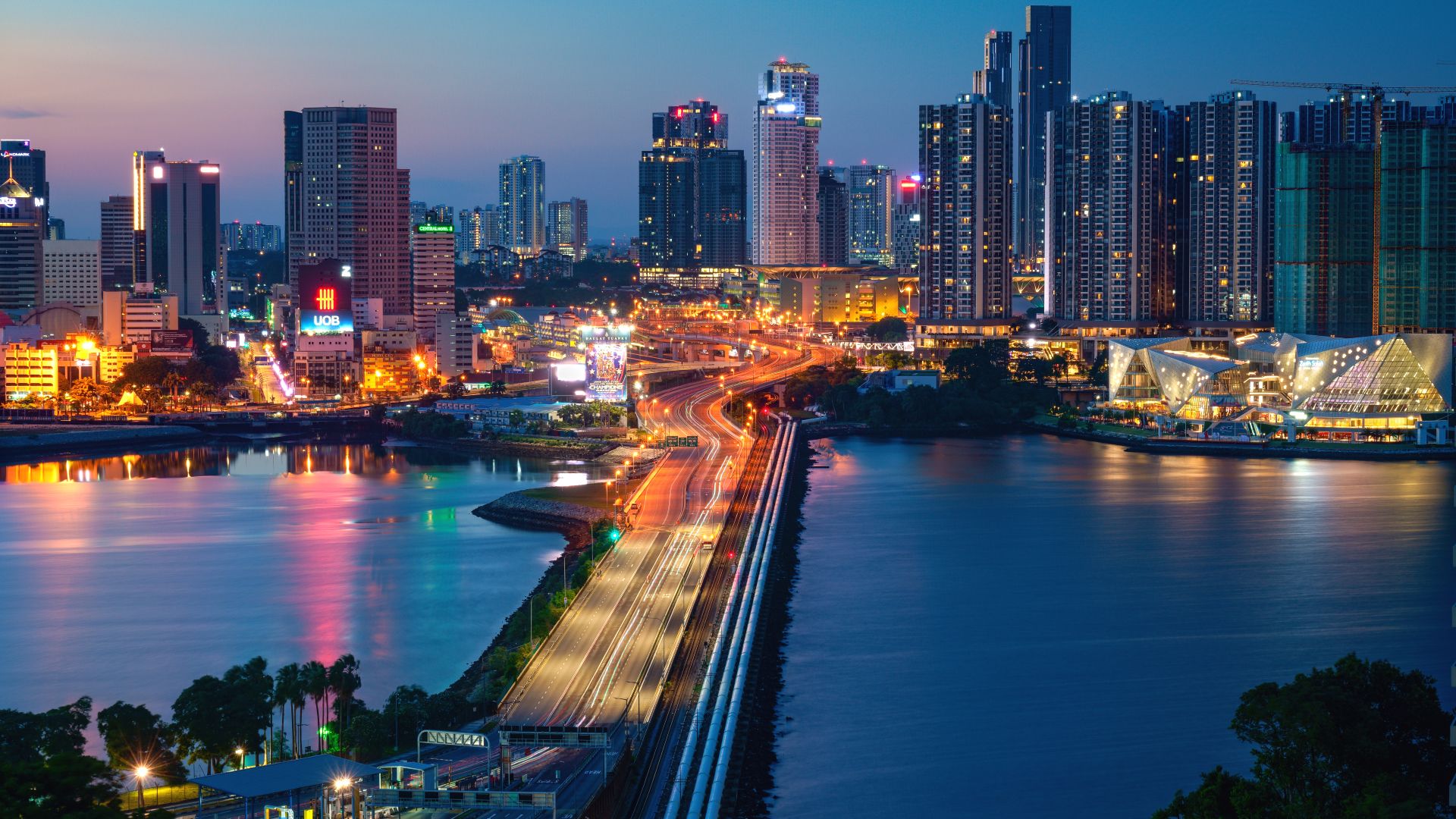
According to Invest Johor , citing the New Straits Times (NST), Menteri Besar Dato’ Onn Hafiz Ghazi said both sides would contribute RM110,000 (S$34,300) each to the Johor-Singapore Talent and Skill Gap Study.
The decision follows the inaugural meeting of the Johor-Singapore Joint Ministerial Committee for Cooperation on Nov 2.
Approved JS-SEZ investments between January 2025 and June 2026 have the potential to generate 28,755 jobs.
Closing the skills gap
The study is intended to map what employers in the zone actually need, so that local training institutions can align their programmes with those demands. It reflects a recurring message from Johor’s leadership in recent months: that investment figures alone are not enough, and that the JS-SEZ must translate into quality jobs for local workers.
Onn Hafiz and investment committee chairman Lee Ting Han have both stressed reskilling and upskilling as priorities, particularly for high-paying sectors such as advanced manufacturing, data centres, logistics and energy. The state has also leaned on the Johor Talent Development Council to connect training providers with industry.
Why this matters for Singapore
The joint funding is a small sum, but a meaningful signal. It shows Singapore putting money behind the human capital side of the JS-SEZ, not just the investment and infrastructure side.
Many of the companies investing in the zone are Singapore-based or operate across both sides of the Causeway. Singaporean firms have pledged more than S$5.5 billion in JS-SEZ investments, spanning advanced manufacturing, data centres and energy. A Johor workforce trained to match their needs makes it easier for these firms to expand operations across the border, run integrated supply chains, and fill roles that may be harder or costlier to staff in Singapore.
A better-matched talent pool in Johor also supports the zone’s wider aim of attracting third-country investors, which both governments have said they want to pursue. Companies choosing between locations will weigh workforce readiness alongside land, power and connectivity.
The study’s timing is also notable. It comes ahead of the Malaysia-Singapore Leaders’ Retreat on December 4 and 5, 2026, where the JS-SEZ masterplan is expected to be launched, and before the RTS Link opens in February 2027, which will make daily cross-border movement of workers and businesses far easier.