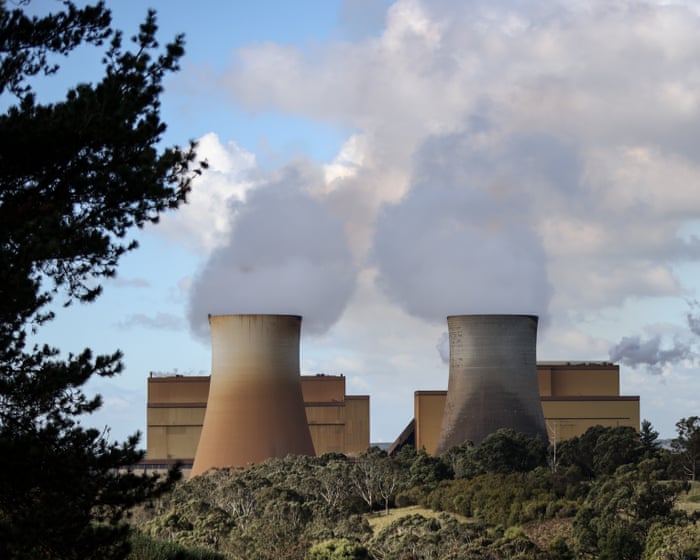
UN climate talks are approaching a final deal, with the announcement of a new package COP31 presidents Australia and Turkey hope will advance the fight against global warming. The new draft deal was released two days after the conference in Antalya was scheduled to end. If approved, it would acknowledge for the first time that global warming is on course to exceed the 1.5C threshold countries had sought to preserve, while calling for faster development of carbon-removal technologies to eventually reverse the overshoot. The draft omits mention of the fossil fuels scientists say are driving climate change, an issue that has been at the centre of the fractious talks. Instead, it includes language referring to a previous COP at which governments agreed to transition away from oil, gas, and coal. "We believe that we have put forward a text which all the parties can agree upon," COP31 President Murat Kurum told a plenary session early on Sunday. He said the conference would reconvene in the morning to approve the deal. Environmental group 350.org said it was disappointed the draft failed to mention fossil fuels explicitly and encouraged carbon-removal technologies. "Carbon capture is one of the biggest scams of the overshoot era, and our leaders are on the verge of falling for it," said Sara Shaw, the group's campaigns and networks director, referring to the practice of trapping carbon dioxide before it reaches the atmosphere. Shaw said the draft deal opened the door to more fossil fuel development. Observers of the closed-door talks said Saudi Arabia and other big oil-producing nations pushed hard in negotiations to keep fossil fuels out of the text and carbon removal in. A representative for the Saudi delegation declined to comment. The new text followed intensive consultations between Australia, which is leading the talks, Turkey, which is hosting the meeting, and almost 200 delegations from many of the world's richest, poorest, largest and smallest nations. The presidency gave delegations several hours to raise any objections to the deal, with a session scheduled from 5pm AEDT Sunday to begin approving it. Australia's task, supported by Turkey, has been to find a deal that balances the needs of nations most vulnerable to climate change with those whose economies depend on the production or consumption of fossil fuels. This year's COP is the first since the UN's environmental body confirmed the rise in global temperature was set to blow past 1.5C - a threshold all countries agreed over a decade ago to try not to exceed, and beyond which extreme weather impacts intensify.
COP31 UN climate talks edge closer to final deal
Delegates from around the globe are inching closer to approving a deal at the COP31 United Nations Climate Summit co-hosted by Australia and Turkey.