“Neighbors” is Rappler People section’s space for community and human interest stories told in a personal way.
As the Philippines showcased its cultural heritage on the ASEAN stage, we celebrated Indigenous traditions before the world, even as the communities keeping them alive continue to struggle to defend their ancestral lands at home.
Across the country, Indigenous Peoples have been sounding a warning we have been slow to hear.
“Ang proyektong iyan ay isang dambuhalang linta na sisipsipin lahat ng yaman ng bundok. Hindi naman po pansarili ang aming ipinaglalaban.” (That project is a giant leech that will suck the mountain dry of its riches. What we are fighting for is not for ourselves alone.)
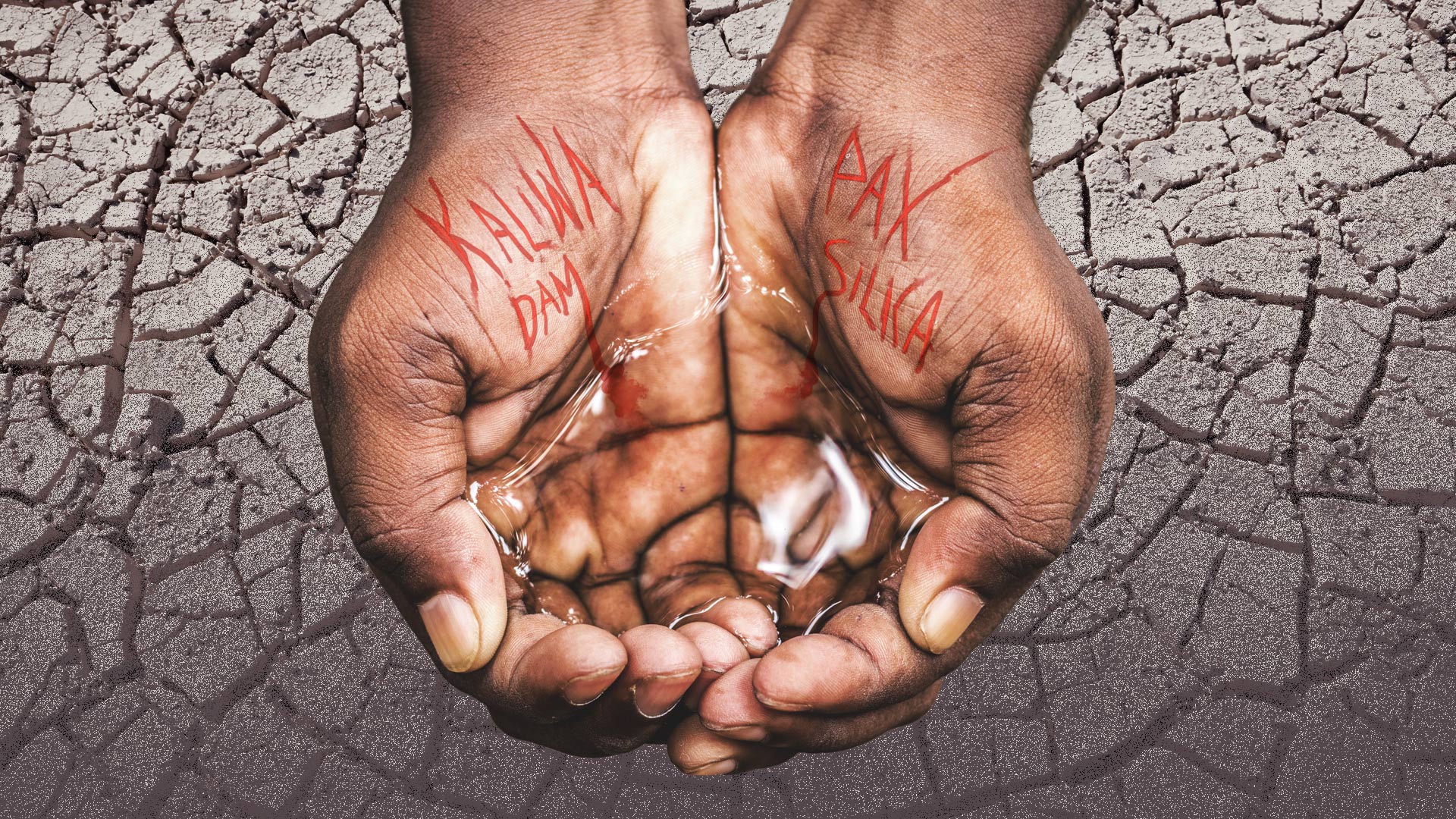
These were the words of an Aeta elder opposing the proposed Pax Silica development in Tarlac.
In General Nakar, Quezon, a Dumagat mother who marched 150 kilometers against the Kaliwa Dam described her burden:
“Tuwing naglalakad po kami, tuwing naiisip ko ang gagawin sa amin at mangyayari sa amin at sa susunod na henerasyon, halos ako po ay naiiyak sa daan dahil pakiramdam ko pasan ko ang Sierra Madre.” (Every time we walk, when I think about what will happen to us and to the generations after us, I almost cry because I feel as though I am carrying the Sierra Madre on my shoulders.)
Communities and environmental groups warn that the dam threatens the biodiversity of the Sierra Madre.
A giant leech draining a mountain. A Dumagat mother carrying the Sierra Madre on her shoulders. Different communities, different threats, but the same warning: what is being lost in the name of progress does not belong to them alone.
Ancestral lands in development’s path
For generations, Indigenous communities have practiced a resilience that reminds us survival depends not only on what we take from the Earth, but on what we leave behind.
I have never forgotten a fisherman I met in an Indigenous community. He carried a pouch barely larger than a clutch bag. When I asked why he didn’t bring something bigger, he answered: “That is enough for one day. Tomorrow is another day. The river provides what is needed. To take more is to take from someone else.”
In that tiny pouch lived a philosophy deeper than many policy papers: enough is enough.
Even as we are urged to conserve water and prepare for climate extremes, we continue to sacrifice the forests and watersheds that sustain our rivers and shield us from drought and floods. We cannot control when El Niño arrives, but we can control how much of our natural defense we destroy before it does. Preparedness begins long before reservoirs fall and crops wither. It begins with what we choose to protect.
In Capas, Tarlac, a proposed technology hub associated with Pax Silica promises investment and jobs, while Aeta communities fear displacement and threats to their ancestral lands and water sources.
The contrast is striking: a people rooted in the land for generations confronting an industry promising the technological future. Beneath it lies an older question: What is land worth?
To most of us, land is property, measured in titles and market values. Yet across Indigenous communities I’ve encountered, I hear the same truth: Ang lupa ay buhay.
The land is life. It is where ancestors are buried and children are born. Rivers hold stories. Mountains mark histories. Forests are pharmacies, kitchens, classrooms, and places of worship.
Protecting forests is protecting waters
I have witnessed this through my work with Bantay Gubat rangers, many of whom are Dumagat. They risk their lives patrolling the Ipo Watershed against illegal logging, fires, and other threats, protecting a vital water source for millions in Metro Manila.
There, the connection between their survival and ours becomes tangible: in protecting their ancestral forests, they are also protecting the water that flows into our homes.
And they are hardly alone. On Sibuyan Island, the Sibuyan Mangyan Tagabukid and fellow residents have resisted nickel mining. In 2023, residents formed a human barricade against trucks carrying nickel ore to protect the island’s ecosystems.
In Boracay, behind the powdery white sand and postcard-perfect resorts lies another story: the Ati have faced displacement and the loss of traditional livelihoods as tourism and development transformed their ancestral lands.
In Bugsuk, Palawan, Molbog and Pala’wan communities have fought for ancestral lands and fishing waters threatened by private commercial interests, including pearl farming — a struggle Indigenous advocates call “blood pearls.”
In Kalinga, the historic resistance of the Kalinga and Bontok peoples to the Chico River Dam lives on, as members of the Balatoc community resist mining and communities along the Chico River raise concerns over hydropower projects threatening their ancestral lands and livelihoods.
The project changes — a technology hub, a dam, a mine, a resort. The generation changes. The landscape changes. But the question remains: Who gets to decide what Indigenous land and water are worth?
Economies that restore, not exhaust
Progress need not come at the expense of preservation. We can build economies that restore rather than exhaust, and livelihoods that sustain rather than displace. True progress is measured not only by what we gain, but by what we preserve.
The answer matters far beyond these communities. An estimated 85% of the Philippines’ Key Biodiversity Areas lie within ancestral domains, yet these lands remain threatened by mining, logging, infrastructure, and other development projects.
Too often, we reduce the living world to what it can produce: a forest becomes timber, a mountain becomes minerals, a river becomes cubic meters of water, a coastline becomes real estate. But not everything of value can be priced. In safeguarding the land, we safeguard ourselves.
Indigenous Peoples’ rights need no justification beyond the fact that they are rights. Yet their survival is bound to our own. Their struggles may unfold far from our homes, but what they protect sustains us. What they lose, we eventually lose too.
If we wish to honor Indigenous cultures before the world, perhaps we should begin by listening to their voices at home — to both the cry of the Earth and the cry of the poor, as Laudato Si’ urges us.
Ang lupa ay buhay. The land is life. And without it, none of us survives. – Rappler.com
Sarah Bautista-Abaño is an environmental and human rights advocate who has worked closely with Indigenous communities on ancestral land rights, environmental protection, and community empowerment. A trained wildlife ranger, she has served alongside Indigenous forest guardians protecting critical watersheds and forests. She is also a wife, mother of three daughters, and avid mountaineer.