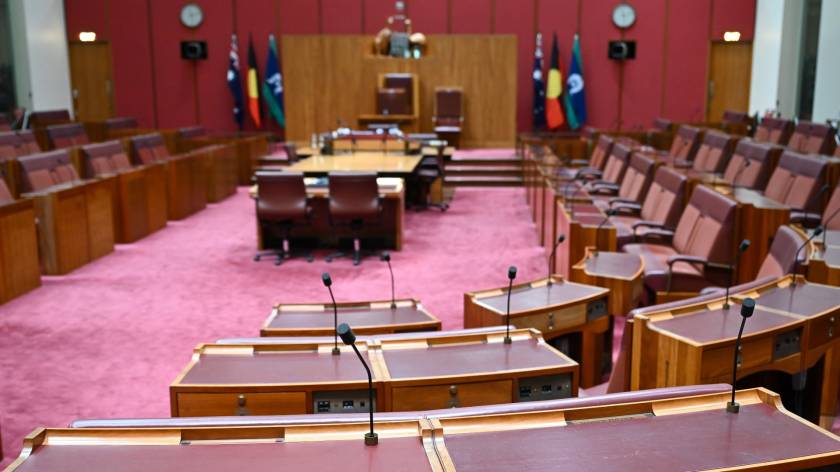
Plans for a minimum 30% tax on discretionary trusts will face a Senate showdown on Tuesday, with the federal government pushing to pass the contentious reforms before the Christmas break.
Related Article Block Placeholder Article ID: 349158
Labor downplays trust changes as businesses warn of $4 billion “year one” hit
The government has scheduled its tax reform bill for debate on Tuesday, just days before lawmakers leave Canberra for the summer.
Treasurer Jim Chalmers argues the reform will ultimately make the tax system fairer for wage-earners who don’t receive trust distributions.
But small business advocates and accountants say the new baseline tax could disrupt small businesses, or force them into costly restructures.
The Coalition is staunchly opposed to those measures, meaning Labor must rely on the Greens to secure the bill’s passage through the upper house.
Smarter business news. Straight to your inbox.
For startup founders, small businesses and leaders. Build sharper instincts and better strategy by learning from Australia’s smartest business minds. Sign up for free.
By continuing, you agree to our Terms & Conditions and Privacy Policy .
After a fast-tracked Senate inquiry into the proposed tax, Greens Senator Nick McKim called on the government to also create a public list of trust beneficiaries.
Labor is reportedly willing to deliver that public register, despite the Greens ultimately choosing not to use that measure as a bargaining chip.
Instead, the Greens are eager for amendments that could expose private schools and other non-tax-paying organisations operating in a discretionary trust to the 30% baseline tax.
Chalmers told reporters last week that the government was engaging with the Greens over that particular demand.
As the Senate gears up for what could be the final debate, some critics are making last-ditch calls for the government to delay and reconsider the bill altogether.
Plans for the tax overhaul are “not finished, and taxpayers cannot plan around rules they have not yet seen,” said The Tax Institute’s head of tax and legal Julie Abdalla last week.
“Families and small businesses will need to decide whether to restructure, make an election, or stay as they are,” she added.
These decisions are costly and hard to reverse. They should be made on complete rules, and taxpayers should not rush to make decisions without being fully informed.”
Never miss a story: sign up to SmartCompany’s free daily newsletter and find our best stories on LinkedIn .
Senior Business Journalist
Focused on the small business sector, David’s work covers the political, regulatory, and economic issues facing Australian entrepreneurs. Prior to joining SmartCompany, he was a reporter for Business Insider Australia. You can follow him on LinkedIn.
Recommended for you
The small business and startup policies in Labor’s legislative backlog
David Adams Nov 26, 2024
Business groups sign last-ditch attempt to avert CGT reform
David Adams Jun 22, 2026
Labor’s trust tax reforms could hinge on the Greens’ demand for public list of beneficiaries
David Adams Nov 16, 2026
Reed Retail Fairs Sydney – the launchpad for what’s next in Australian retail.