The finger-pointing to assign blame for the collapse of UN climate talks in Turkey began on Monday, November 23, with calls for the resignation of the Australian minister leading them, while the Pacific island nations most at risk expressed their despair over the failure of countries to collectively address global warming.
For the first time since the 2009 meeting in Copenhagen, the COP climate conference could not reach a final agreement from its talks after the EU and others rejected a final deal that did not include any mention of fossil fuels’ role in global warming because of pressure from Saudi Arabia and other oil-producing nations.
This was the first meeting since the UN’s environmental body confirmed global temperatures were set to exceed the 1.5 degrees Celsius (2.7 degrees Fahrenheit) level scientists have said will cause extreme weather impacts to intensify, and the lack of collective action has increased a sense of impotence around the multilateral COP process.
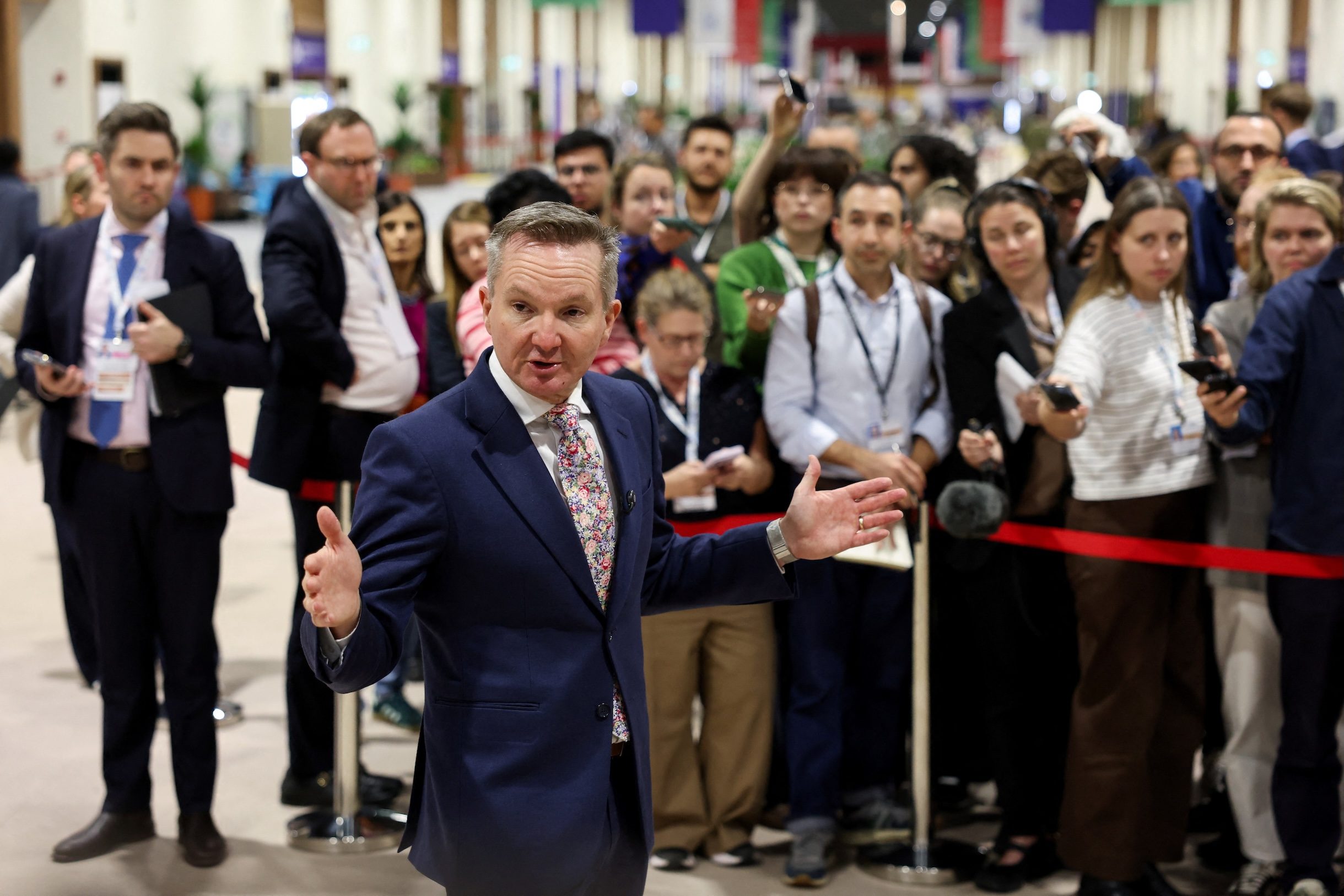
Turkey hosted the latest talks, called COP31, in Antalya but shared leadership with Australia. Australian Energy Minister Chris Bowen was the COP31 president of negotiations, and opposition politicians in his home country blamed him for the failure .
“This energy minister’s got to go because he’s a complete and utter failure,” Angus Taylor, a member of the Australian parliament who leads the opposition, told reporters on Monday.
“Chris Bowen was responsible for it. He should go,” Taylor said.
Speaking after the COP31 talks, Bowen blamed the very strong red lines many parties had on climate change.
Inside the Australian parliament, other opposition members asked Prime Minister Anthony Albanese why he would not sack Bowen after the country had spent A$150 million ($99.23 million) on COP31. Albanese did not comment directly on whether he would ask Bowen to step down.
“We believe that climate change is real. We believe in the science,” Albanese said. “Whether it’s environmental security or national security, we act in Australia’s national interest.”
Multilateral process
The COP31 talks began on November 9, but the lack of a final agreement extended the summit to a record overtime on Sunday, November 22. There was already some contention before their start as Australia, which has been at the forefront of efforts to act against global warming, fought with Turkey over hosting duties.
More than 190 countries were represented, and more than 92,000 people had registered, making it provisionally the largest UN climate conference on record. The United States did not send a delegation.
Last year’s talks in Belém, Brazil, produced a deal but no commitment to phase out fossil fuels.
China is the world’s biggest emitter of carbon dioxide, the main cause of global warming, and a spokesman for the country’s foreign ministry, Guo Jiakun, expressed disappointment at the COP31 outcome during a news conference on Monday but said it “should not lead to a loss of confidence in multilateral process.”
Guo added that addressing climate change is a “shared undertaking for humanity” and the global trend toward low-carbon development is “irreversible.”
Bhupender Yadav, who led India’s delegation at COP31, said India engaged constructively and tirelessly with the presidencies and other parties.
“While concerns remain over certain elements of the cover decision, we remain committed to dialogue and constructive engagement until the very end to build consensus,” he said.
Most Pacific island nations, which are facing rising sea levels and other existential threats from climate change, expressed deep disappointment.
“We have been let down on all sides,” the delegation from the Marshall Islands at COP31 said in a statement.
Tuvalu, the Pacific island nation that hosted a pre-COP event in October highlighting its exposure to rising sea levels, called out the absence of engagement and transparency in trying to reach a decision on a final statement.
“Listening to parties who diminish the credibility of signs of climate change is disappointing,” said Maina Talia, Tuvalu’s climate minister, expressing concern about the lack of commitment to put the world back on track for the global temperature goal. – Rappler.com
$1 = 1.5117 Australian dollars