European Union
Climate deal collapses in chaotic end to COP31 as EU and more reject deal
AFP/The Local - news@thelocal.com
Published: 22 Nov, 2026 CET. Updated: Sun 22 Nov 2026 17:01 CET
Add The Local as a preferred source
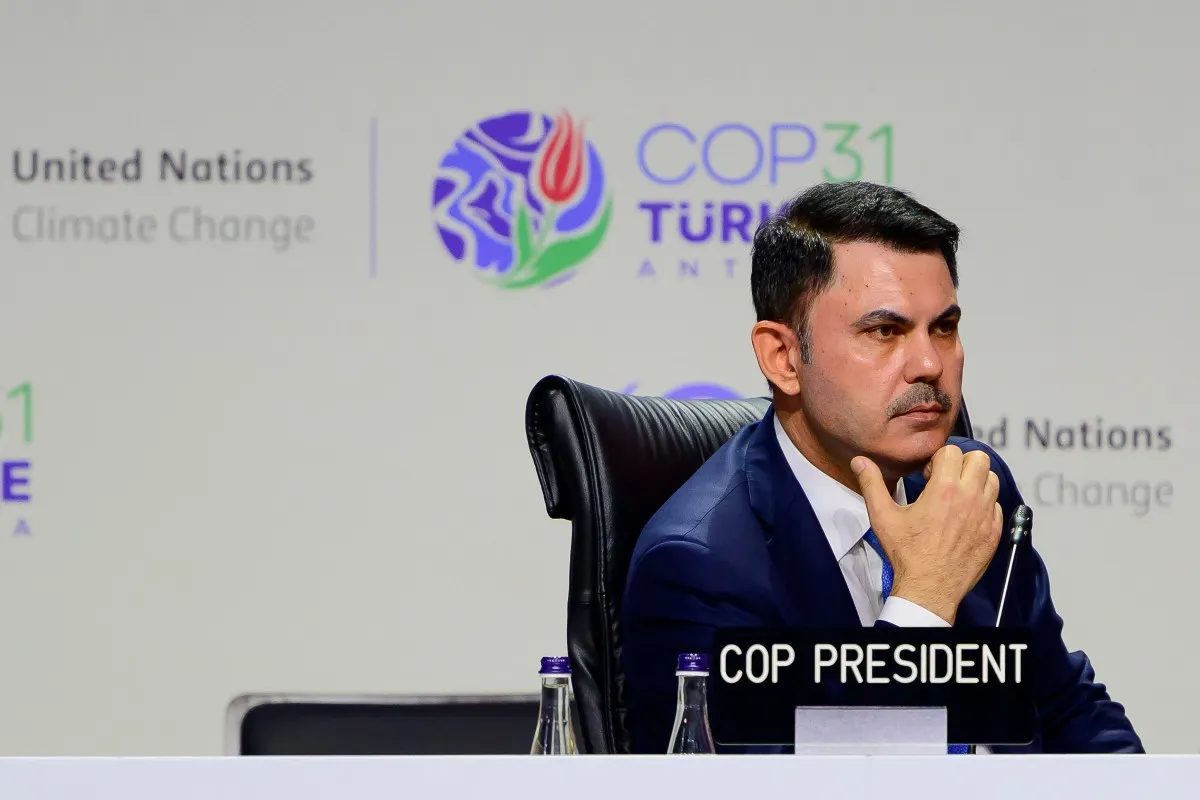
The COP31 climate talks headed for a historic defeat Sunday as a final deal collapsed over a fossil fuel impasse and the summit lurched into record overtime in Turkey.
A contentious agreement was dramatically rejected by the EU and other nations in a chaotic finale to the UN climate summit nearly 48 hours after its official close in Antalya.
UN Secretary-General Antonio Guterres, who urged nations to send fossil fuels "the way of the dinosaurs" during a fiery speech at COP31, expressed deep dismay over the failure to reach consensus.
"I share the very profound frustration of all those who expected governments to rise to the moment the climate crisis demands," the outgoing UN chief said in a statement.
Australia's Climate Minister Chris Bowen, who presided over two weeks of grinding negotiations, conceded he could not overcome "what I now see as unbridgeable red lines".
"Unfortunately, we were unable to reach agreement on a cover decision... And that's disappointing. Very disappointing," he told a throng of reporters as the summit limped to the finish.
Threat of our future
Bowen said the summit backdrop was "the most complicated and fraught geopolitical environment in living memory" with soaring energy prices and frictions stemming from the Middle East war complicating the search for unity.
Under pressure to show progress on tackling soaring emissions in a year of climate-linked disasters from Europe to Nepal, Bowen sought an overarching "cover decision" to show countries were responding to the crisis.
But ultimately, his plan unravelled as familiar tensions surfaced over fossil fuels and the EU and Saudi Arabia locked horns over the future of coal, oil and gas.
The nearly 200 nations at the climate summits take decisions by consensus, meaning just one can block agreement.
But after proposing a deal that omitted fossil fuels entirely, the talks hurtled toward a tense showdown on the assembly floor as COP31 became the longest UN climate summit on record.
"We will not endorse a cover decision... that does not even mention fossil fuels, which is the key driver of climate change," said Ireland's climate minister, Darragh O'Brien, whose country holds the rotating EU presidency.
Panama, which threatened early to walk away from the talks, refused to endorse the pact, as did island nations and other developing states on the frontlines of climate change.
"We will not compromise our future to benefit fossil fuel interests. We will not accept an outcome that undermines our security and threatens our future," the Marshall Islands climate envoy Kathy Jetnil-Kijiner told delegates.
A last-ditch proposal introducing a veiled reference to a fossil fuel phaseout was too weak to salvage the deal.
The pact also called for the expansion of carbon capture -- a technology championed by the fossil fuel industry, but fiercely criticised as costly and ineffective in cutting emissions.
"We believe that climate change requires all solutions on the table," Mohammad Ayoub, a climate negotiator for Saudi Arabia, said on behalf of the wider Arab Group of nations.
Facing blowback over the fossil fuels ommission, COP31 co-hosts Turkey and Australia pointed to "electrification" as a way to cut heat-trapping emissions and bolster energy security.
They proposed a global goal to electrify the world economy by replacing technologies that burn fossil fuels directly, like diesel cars and gas heating, with electric alternatives.
But the "electrification" target was ultimately torpedoed, along with the rest of the doomed Antalya Pact.
'Profound disappointment'
Countries lamented a missed opportunity to broadcast concern over the looming breach of the 1.5C temperature goal set under the Paris climate accord.
The summit also widened fault lines over science, with a fight over the work of the Intergovernmental Panel on Climate Change (IPCC) spilling into the negotiations.
"We are profoundly disappointed by the substance of the cover decision," said UK climate negotiator Kate Hughes.
"It moves us backwards on the science... It is a lowest common denominator where it should have been, instead, presenting bold collective ambition on climate action."
As always, the summit laid bare the divide between major polluters driving climate change and smaller nations bearing the brunt of its impacts.
Developing nations campaigned for a $120 billion target for climate adaptation measures in hard-hit corners of the globe.
It barely survived the first round of negotiations.
"It is unconscionable to place the disproportionate burden on those who contribute the least, and yet are suffering the most," said Ghana environment minister Zanetor Agyeman-Rawlings.
Become a member or log in to continue reading
#European Union #Environment
Join the conversation in our comments section below. Share your own views and experience and if you have a question or suggestion for our journalists then email us at news@thelocal.com . Please keep comments civil, constructive and on topic – and make sure to read our terms of use before getting involved.
Please log in here to leave a comment.
The Local Europe AB Västmannagatan 43 113 25 Stockholm Sweden
About us Contact us News Archive Search articles Find jobs Post a job ad Advertise with us
Login Become a member Help Centre Corporate access
News Travel news Covid-19 Politics Opinion Reader questions All topics
Get daily news straight in your inbox
By signing up you agree to our Terms of Use and Privacy Policy. We will use your email address to send you newsletters as well as information and offers related to your account.
2026 The Local, All Rights Reserved.
Manage Cookies Privacy Policy Terms & Conditions