
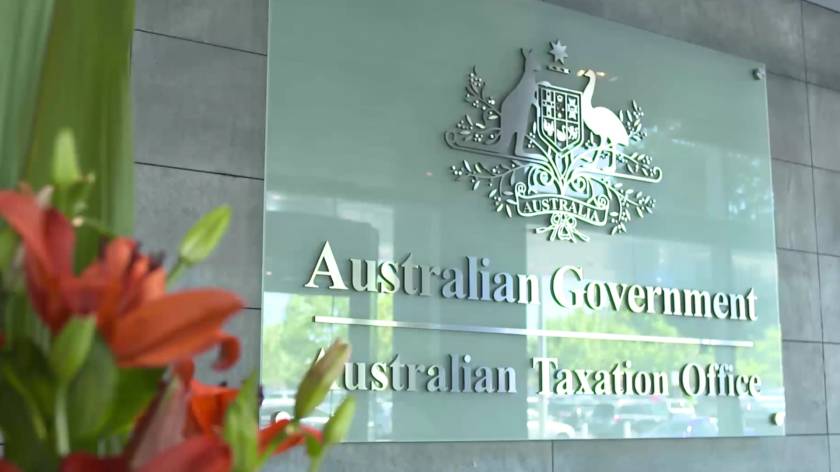
The Australian Taxation Office (ATO) has rejected comparisons between its controversial superannuation warning letters and the Robodebt scandal, stating the letters do not automatically create debts, impose penalties or trigger audits.
The ATO’s comments follow criticism of its data-matching program, which has sent more than 150,000 warning letters to employers about possible unpaid superannuation entitlements, as previously reported by SmartCompany.
Related Article Block Placeholder Article ID: 347710
ATO commissioner ‘jumped to conclusion’ about credit card usage before ban
In a statement on Monday, the ATO rejected any comparison to the discredited government debt recovery program, while recognising the concern its letters have caused among compliant small businesses.
“These letters do not create a debt or a demand for payment,” the ATO said, while noting the letters also do not impose penalties or automatically trigger audits.
“As such, any comparison with Robodebt is fundamentally misplaced.”
ATO concedes letters need changing
However, the tax office did acknowledge the concerns surrounding the letters and confirmed it is changing letters going forward to ensure they don’t unnecessarily alarm employers that are complying with superannuation obligations.
Smarter business news. Straight to your inbox.
For startup founders, small businesses and leaders. Build sharper instincts and better strategy by learning from Australia’s smartest business minds. Sign up for free.
By continuing, you agree to our Terms & Conditions and Privacy Policy .
The changes to future letters will “clarify their intent”, said the ATO.
But the ATO criticised media coverage of the issue, calling some reports “misleading” and saying they also risk causing unnecessary concern to employers and the broader community.
ATO defends data-matching despite backlash
The tax office said the letters aim to highlight potential discrepancies between an employer’s payroll and their superannuation fund, rather than create a debt.
While the amounts highlighted in the letters may vary from debts calculated later, the ATO said its program is an essential tool to identify unpaid superannuation.
According to the ATO, $467 million in unpaid super has been disclosed by employers who received the letters in the 2025–26 financial year, without further intervention by the ATO.
Related Article Block Placeholder Article ID: 347750
Small businesses hit with ATO super debt notices dating back five years
Small business fears of another Robodebt
As previously reported by SmartCompany, small businesses and their advisers have expressed fears around the notices of potential superannuation shortfalls from several years ago. Some employers have also disputed the amounts claimed.
Amanda Linton, CEO of the Institute of Certified Bookkeepers Australia, previously raised concerns about what appeared to be automated compliance processes and the administrative burden placed on businesses to investigate potential shortfalls.
“We’re not ending up in another Robodebt scenario. That’s the real concern that we have,” Linton told SmartCompany at the time.
Despite the backlash, the ATO maintains its compliance program is necessary to address the more than $7 billion in superannuation entitlements it estimates go unpaid annually.
While it has committed to revising its letters, it has not announced changes to its underlying data-matching program.
Never miss a story: sign up to SmartCompany’s free daily newsletter and find our best stories on LinkedIn .
Digital Business Journalist
Simon Thompson has worked across print, television and radio in Australia, the UK and the United States. His reporting has covered business and financial markets, immigration, politics and water policy. He previously covered UK and European private equity in London and has reported for NPR and PBS-affiliated outlets in the US. Simon studied journalism and politics at Monash University.
Recommended for you
Simon Thompson Oct 29, 2026
ATO watchdog says “threatening” letters to taxpayers need an overhaul
David Adams Jul 18, 2025
Lawmakers call for mandatory AI guardrails to prevent private sector Robodebt
David Adams Feb 12, 2025
