In the first part of this series, we showed that trade sanctions are associated with more conflict-related deaths in countries where corruption was already high, and that one route runs through the middle class.
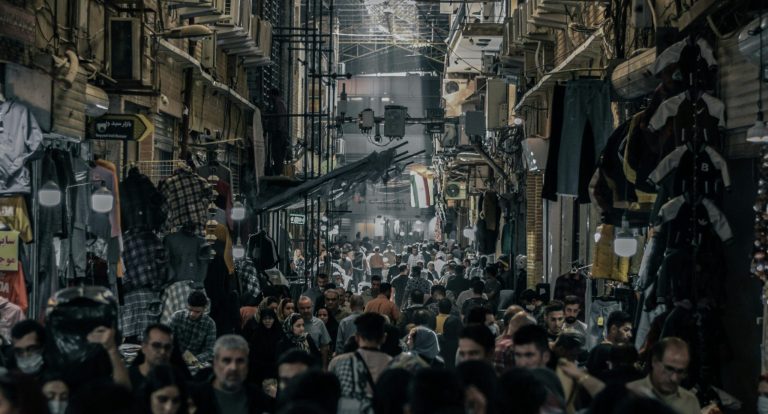
In the case of Iran, the middle class has realised that sanctions and corruption are eroding its social status. A look at the data collected from a sample of 11,252 people arrested during the large nationwide protests in Iran in December 2025–January 2026 shows that 65% belonged to the middle class and 32% to the lower socioeconomic class. Some 77% were under 30, 60% were self-employed or non-salaried workers and 93% had no previous criminal record.
This profile of arrested people (which is not necessarily representative of all protesters) shows a combination of economic inequality, perceived barriers to upward social mobility among young people and job insecurity, particularly among the self-employed. The important link is that sanctions can worsen economic opportunities, while corruption destroys trust in the political system and hope for a better future.