
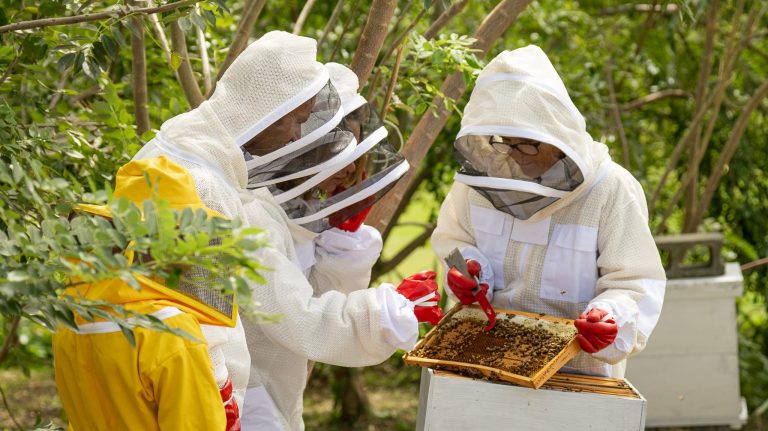
Waitika Bee Farm, Rakiraki, Fiji (Tourism Fiji)
Bees pollinate the fruit, vegetables and forests we depend on, and for many rural families in Fiji, often women-headed, they are a rare source of cash income. While data on the ground are slim, it seems Fiji’s beekeepers are losing hives at quite an alarming rate. While this decline could be attributed to many things, Varroa jacobsoni , a parasitic mite, is already established across our region. For non-beekeepers, think of it as pneumonia: serious, but treatable with the right care.
Its relative, Varroa destructor , is closer to a pandemic. It has devastated honey bees across many parts of the world and reached Australia in 2022. It has not yet reached Fiji, but when it does, it will find thin surveillance, no system for reporting hive losses and beekeepers scattered across islands with little support. Fiji and its Pacific neighbours still have a narrow window to prepare at low cost, but we need to act quickly.
