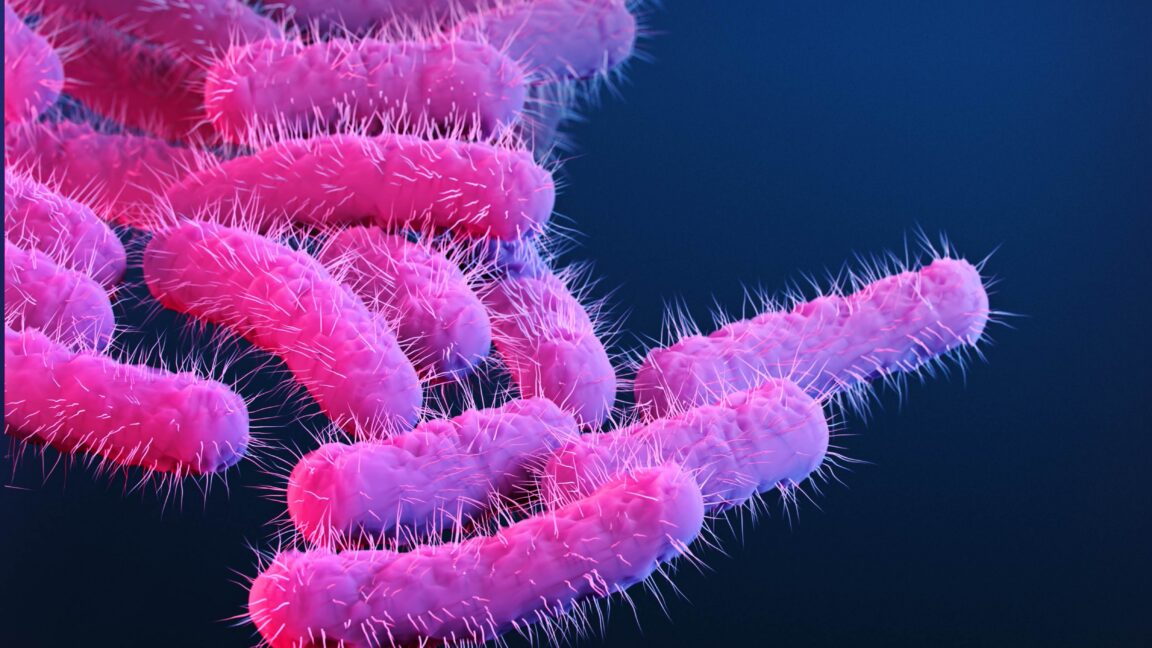
Having more than 150 non-human primates at a research center fall ill with diarrhea in a stomach-churning outbreak that flowed for over two years doesn't sound much like good fortune. But for some scientists, it kind of was, providing a heaping pile of valuable data on how they might finally defeat a foul foe.
In a study published in the latest issue of Science Translational Medicine , scientist sifted through the dump of immunological data from the infections, logging new ways to train immune cells to defeat the bacteria behind the outbreak, a type of Shigella . Researchers were able to pluck out specific bits of the bacteria that the immune system could most effectively attack, linking specific target molecules to specific types of germ-busting immune responses. The researchers even precisely homed in on some of the tiny notches within those craggy target molecules where the most potent antibodies attached.