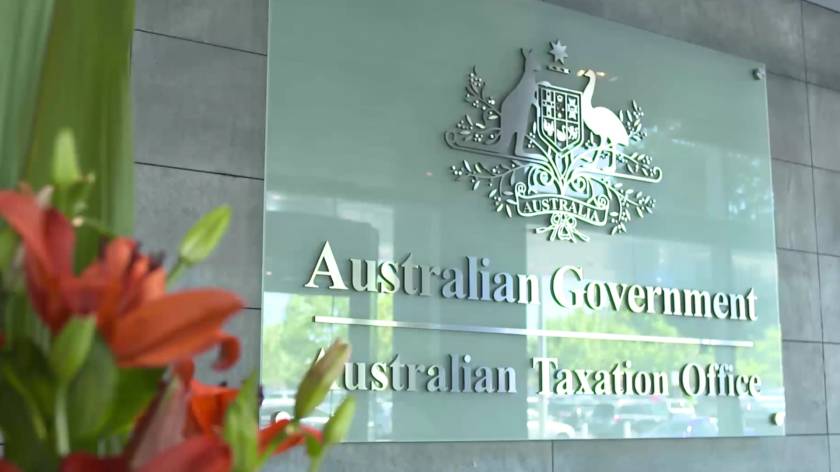
The Australian Taxation Office’s (ATO) surging use of Director Penalty Notices (DPN), one of its sharpest debt collection tools, will face review by the independent tax watchdog in 2026.
The tax office says it is open to scrutiny from the Tax Ombudsman, while claiming its “firmer recovery strategies” are helping it claw back record levels of collectable debt.
The Tax Ombudsman on Thursday revealed a refreshed work plan for the coming year, outlining three new reviews into pressing tax issues.
Among them is a formal investigation of DPNs, which can make company directors personally liable for unpaid business debts.
In a statement, Tax Ombudsman Ruth Owen said the ATO’s use of DPNs surged by 136% to more than 84,000 in the 2024-25 financial year.
Smarter business news. Straight to your inbox.
For startup founders, small businesses and leaders. Build sharper instincts and better strategy by learning from Australia’s smartest business minds. Sign up for free.
By continuing, you agree to our Terms & Conditions and Privacy Policy .
(The ATO has revised its official count of DPNs for 2023-24, after initial data suggested their use effectively tripled in 2024-25 .)
The precise terms of that review are still under development, but the exercise is likely to consider how DPNs affect taxpayers with extenuating personal circumstances.
“The ATO uses DPNs to administer and collect certain company debts from directors personally,” said Owen.
“However, they can have significant impacts on those individuals if they are not aware of their liabilities due to miscommunication, or factors such as personal illness or where the directorships were entered under coercion.”
Related Article Block Placeholder Article ID: 308057
ATO doubles director penalty notices for unpaid super as patience wears thin
The Tax Ombudsman is not the only organisation assessing the toll of forced directorships, with the Treasury also consulting on measures to stamp out the abusive practice.
There is no set timeframe for the DPN review, which is subject to resourcing at the Tax Ombudsman.
ATO says firmer compliance measures are working
The tax office acknowledged the incoming review on Thursday, with a spokesperson telling SmartCompan y it maintains a “cooperative and transparent” relationship with the Tax Ombudsman.
It also framed DPNs as an important compliance tool, helping it whittle down outstanding payments held by business taxpayers across the country.
In total, the ATO counted $54.2 billion in collectable debts on June 30 this year.
“We are committed to collecting outstanding debt using all the tools at our disposal and, as a result, we’re now seeing the growth in collectable debt stabilise under firmer recovery strategies,” the spokesperson said.
The ATO aims to support taxpayers if they openly declare their debts and their inability to pay them before those debts spiral out of control.
“However, taxpayers, including businesses, big and small, who repeatedly refuse to engage and continue to ignore reminders to pay, can expect ATO actions to escalate quickly,” the spokesperson added.
“Our actions include the use of Director Penalty Notices, garnishee action, and the disclosure of debt to credit reporting bureaus, prior to commencing stronger, legal actions such as bankruptcy notices, statutory demands or wind-up actions.”
The spokesperson also pointed to the ATO’s new vulnerability framework, its action plan for assisting taxpayers — including small businesses — at particular risk of harm, exploitation, exclusion, or isolation.
Reviews to address First Nations taxpayers, online services for agents
The tax office watchdog will also review the ATO’s online services for tax agents in the first half of 2026, after a 2025 review found its tax agent phone line leaves professionals frustrated.
As part of that review, the ATO agreed to recommendations that it improve its digital services for tax agents.
The ATO’s engagement with First Nations taxpayers will also face review in the first half of the year.
“We will be taking time to ensure we approach this review in a culturally appropriate way, to gain broad community input and insights from First Nations people, businesses and representative organisations,” said Owen.
Missing from the Tax Ombudsman’s new schedule are reviews of the incoming payday superannuation system , and the administration of family trust elections, both of which Owen said are subject to separate government reviews.
“However, we will continue to engage with the profession and the ATO on the administrative aspects of both of these matters,” said Owen.
A review of the ATO’s handling of General Interest Charge remissions is already in progress.
Never miss a story: sign up to SmartCompany’s free daily newsletter and find our best stories on LinkedIn .
Senior Business Journalist
Focused on the small business sector, David’s work covers the political, regulatory, and economic issues facing Australian entrepreneurs. Prior to joining SmartCompany, he was a reporter for Business Insider Australia. You can follow him on LinkedIn.
director penalty notice
Recommended for you
ATO complaints jump 127% as debt collections rise
David Adams May 28, 2026
Director penalty notices triple to 84,000 in one year as ATO pushes compliance
David Adams Sep 9, 2025
Why payday super could trigger more ATO director penalty notices
Natalie Lennon Jun 29, 2026